
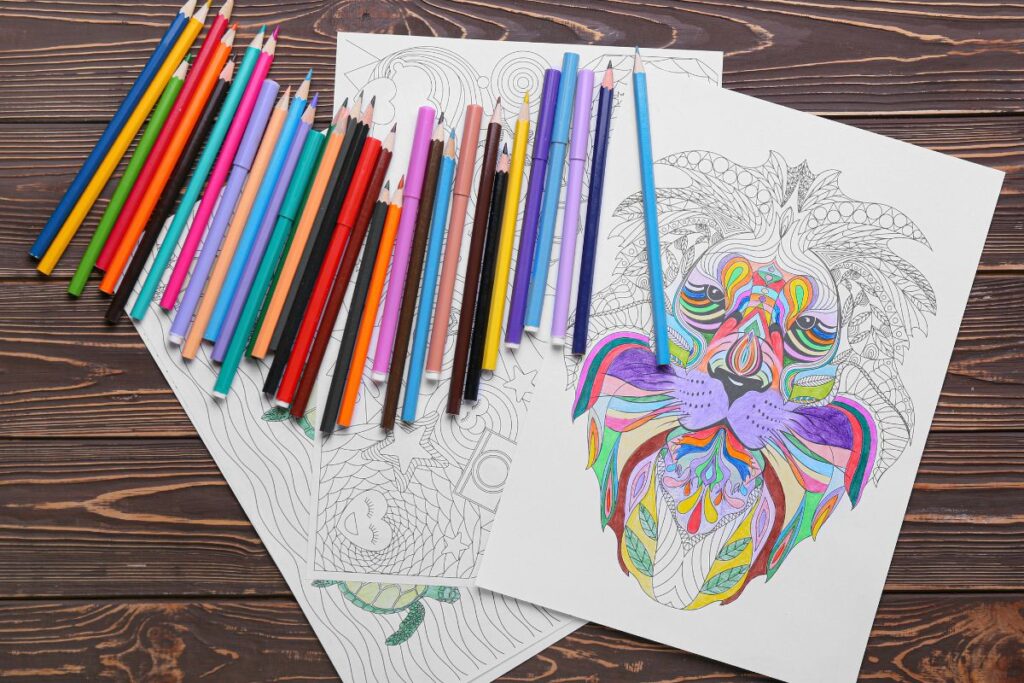
The paper you choose for coloring has a dramatic impact on your final result. Even the most beautiful coloring page can become a disappointment if printed on the wrong paper.
From colored pencil work to watercolor techniques, the right paper enhances color vibrancy, allows better blending, and creates a more satisfying coloring experience overall. This guide helps you select the perfect paper for your specific coloring medium and needs.
1. Understanding Paper Weight and Thickness
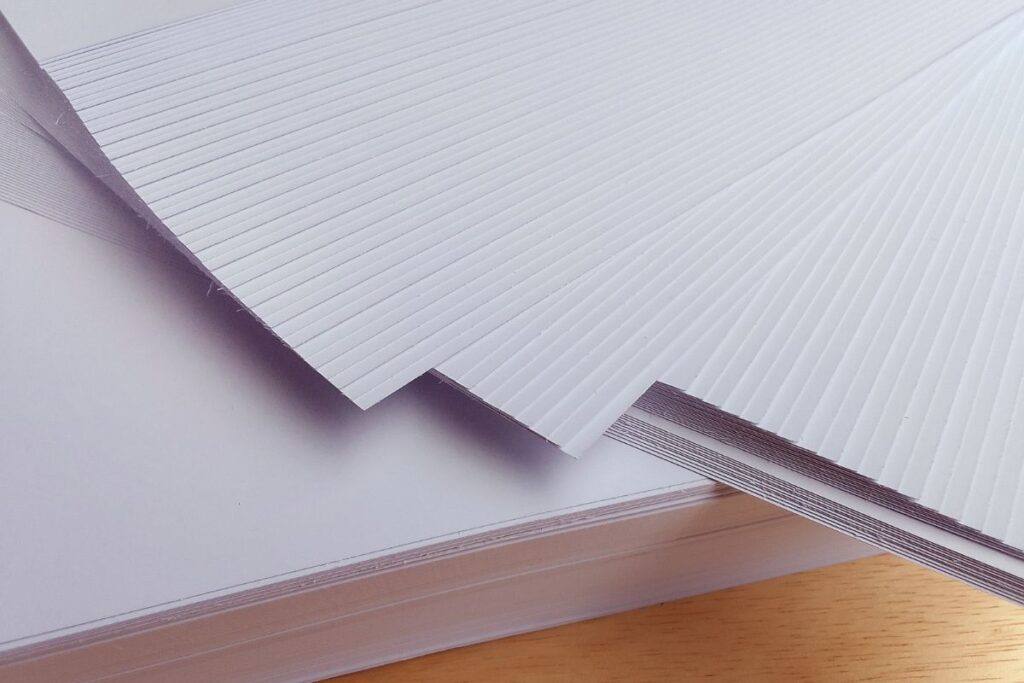
Paper weight is the most fundamental characteristic affecting how paper performs with different coloring supplies. Understanding weight systems helps you make informed choices.
Paper weight is measured in two ways depending on where you live. In the US, basis weight (or pound weight) refers to the weight of 500 sheets of paper at its basic size. In most other countries, GSM (grams per square meter) is used. Heavier paper has a higher number in both systems.
Paper weight significantly impacts how supplies perform. Thin paper may buckle when wet, wrinkle with heavy pressure, or show bleeding from certain markers. Heavier paper withstands intense coloring, wet media, and blending techniques without damage.
Thin Paper (20 lb or 75 GSM)
Thin paper is standard printer and copy paper. It works adequately for casual marker and light colored pencil coloring. However, it may show bleeding with some markers and can’t handle wet media like watercolor or heavy blending. This weight is budget-friendly but has limitations. Use it for temporary projects or casual experimentation, not for artwork you want to preserve.
Medium Weight (24-28 lb or 90-110 GSM)
This is the sweet spot for most coloring applications. It handles colored pencils well, resists marker bleed-through reasonably, and has enough durability for blending. Medium weight paper is widely available and affordable. It’s the best choice for printed coloring pages if you’re using colored pencils or washable markers.
Heavyweight (32 lb or 130 GSM and above)
Heavyweight paper is essential for wet media like watercolor and acrylic paint. It withstands intense coloring pressure and extensive blending without damage or buckling. This weight also feels more substantial and professional. The trade-off is higher cost. Use heavyweight paper for serious projects, mixed media work, and any application involving wet supplies.
Cardstock (65 lb or 176 GSM and above)
Cardstock is heavy, rigid, and extremely durable. It works for bold coloring projects and acts like a small canvas. Cardstock prevents any bleed-through and withstands heavy application. The rigidity makes it less suitable for subtle blending but excellent for graphic, bold work.
2. Paper Finish Types and Their Impact
Finish affects how supplies interact with the paper surface and the visual result of your coloring work.
Smooth/Glossy Finish
Smooth finishes have minimal texture. They create clean, sharp lines with colored pencils and prevent the pencil from catching or snagging. Markers produce bold, even color on smooth paper. However, smooth surfaces can be slippery, making blending slightly more difficult. The glossy sheen in glossy finishes can create glare and make colors appear slightly different than they would on matte paper.
Matte Finish
Matte finishes have a subtle texture that helps supplies grip the paper. This texture facilitates blending and creates softer transitions between colors. Matte paper appears less shiny and shows colors truer to how they actually are. It offers better control for detailed work. The slight texture can catch pencils slightly, which some artists prefer and others find undesirable.
Textured Finish
Heavily textured paper creates visible texture in finished work. This works beautifully with some techniques and styles but can make precise, detailed work challenging. Textured surfaces catch colored pencils and create interesting effects. The texture becomes part of your artwork rather than a neutral background.
Laid and Vellum Finishes
Laid finishes have subtle, parallel lines running through them, creating a traditional feel. Vellum finishes have a soft, slightly rough texture that facilitates blending. Both offer unique aesthetic qualities and work well with most coloring supplies.
3. Paper Fiber Content and Quality
Fiber composition affects paper durability, feel, and how well it ages over time.
Wood Pulp vs. Cotton Fiber Paper
Most affordable papers use wood pulp. This paper is adequate for casual coloring but can yellow and become brittle over time due to lignin content. Cotton fiber papers contain little to no lignin. They maintain brightness and flexibility for decades or longer. Cotton papers feel more substantial and luxurious. The trade-off is significantly higher cost.
Acid-Free and Lignin-Free Paper
Acid-free paper won’t yellow or deteriorate when exposed to air and light. Lignin is a natural component of wood pulp that causes paper to yellow and become brittle. Acid-free, lignin-free paper preserves artwork for generations. For casual coloring, this matters less. For artwork you want to preserve, acid-free paper is essential.
Brightness and Whiteness
Brighter white papers make colors appear more vibrant. Very bright papers can feel stark or clinical. Off-white and cream papers create a warmer, more traditional feel. Brightness is partly preference and partly practical. Extremely bright paper can create glare. Choose brightness based on the mood you want your finished work to convey.
4. Best Paper for Colored Pencils
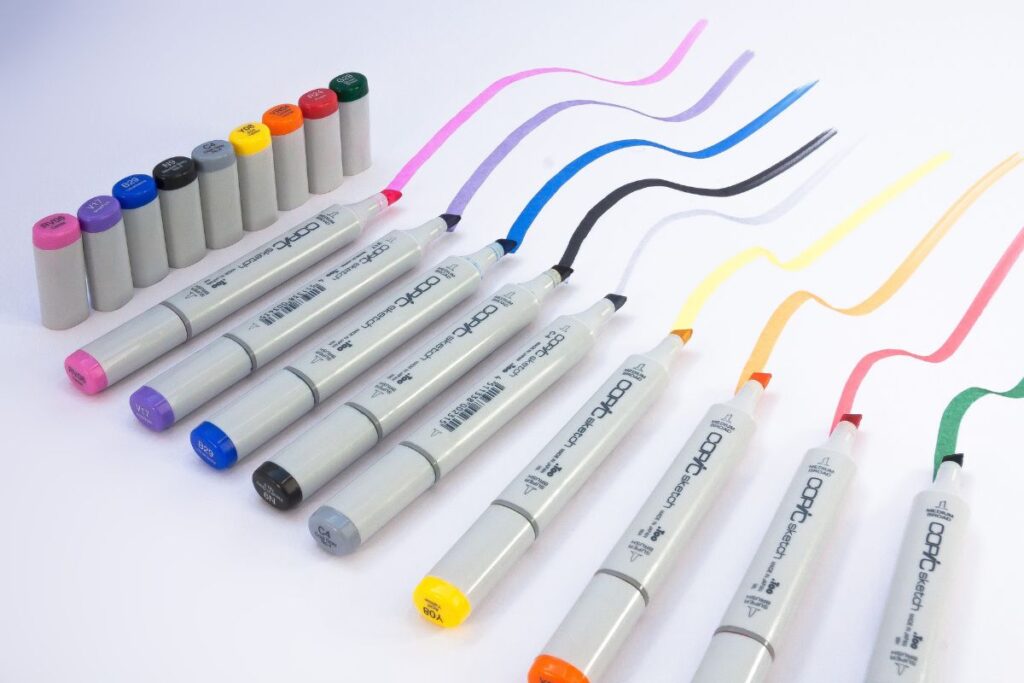
Colored pencil work has specific paper requirements that optimize blending, color application, and overall appearance.
Paper Weight Recommendations
Medium weight paper (24-28 lb) works perfectly for most colored pencil coloring. The paper is substantial enough to handle layering and blending without buckling. Lightweight paper works for casual pencil work but may show wear from heavy blending. Heavyweight paper is unnecessary for colored pencils unless you’re mixing with wet media.
Finish Preferences
Smooth to medium texture paper works best for colored pencil work. Smooth finishes allow sharp lines and smooth color application. Medium texture facilitates blending and creates softer transitions. Very rough textures can be challenging for detailed pencil work. Most colored pencil artists prefer papers that are smooth enough for detail but textured enough for blending.
Best Beginner Papers for Colored Pencils
Strathmore 400 Series drawing paper offers good quality at budget pricing and works well for casual pencil coloring. Canson XL Series is affordable and smooth enough for detailed work. Both are readily available and perform consistently.
Mid-Range Papers for Developing Skills
Strathmore 500 Series and Canson Montval paper offer better quality than beginner options. Stonehenge paper provides excellent feel and color intensity. These papers encourage skill development through better performance. The improved experience often motivates continued practice.
Premium Papers for Serious Pencil Artists
Sennelier Aquarelle, Arches, and Lana Colours are professional-grade papers. These papers have superior tooth for holding pigment, excellent blending capability, and beautiful aging characteristics. Premium papers make a tangible difference in results and are worth the investment for serious work.
5. Best Paper for Markers
Markers have specific requirements to prevent bleed-through and ensure vibrant colors.
Paper Weight for Bleed Prevention
Medium weight (24-28 lb) paper prevents most marker bleed-through with standard markers. Heavy markers or alcohol-based markers require heavier paper (32 lb or above). Testing your specific marker and paper combination before committing to a large project is wise. What works for washable kids’ markers may not work for permanent markers.
Finish Considerations
Smooth finishes work best with markers, allowing clean, even color application. Slightly textured finishes also work but can create uneven color. Very rough textures show through marker color and can cause feathering. Glossy finishes can feel slippery and make marker application less controlled.
Quality Papers for Vibrant Colors
Strathmore 400 Series paper provides adequate performance for markers at an affordable price. Canson XL Series and Clairefontaine DCP are mid-range options that produce vibrant colors. Markers perform better on quality paper than on basic printer paper, showing more vivid colors with less feathering.
Best Brands for Marker Coloring
For colored pencils used with markers, Stonehenge paper performs exceptionally. Sennelier Aquarelle produces beautiful results with markers and allows for blending. Arches paper handles markers beautifully while maintaining color vibrancy.
Prevention of Ink Bleeding and Feathering
Use appropriate weight paper for your specific markers. Test markers on your chosen paper before starting important projects. Allow markers to dry slightly between strokes to minimize bleeding. Keep marker tips in good condition, as damaged tips cause feathering. Quality markers on quality paper reduce these issues significantly.
6. Best Paper for Watercolor and Wet Media
Watercolor and acrylic work have the most demanding paper requirements.
Minimum Weight Requirements
140 lb (300 GSM) is the minimum weight for watercolor work. Lighter paper will buckle and warp when wet. 140 lb paper works but often needs stretching. 300 lb (640 GSM) paper eliminates buckling and is preferred by most watercolor artists. For acrylics, 140 lb minimum is acceptable, though heavier is better.
Cotton Fiber Papers for Wet Media
Cotton papers withstand water better and can handle more aggressive brushwork than wood pulp papers. Rag papers (papers made from recycled cotton) are highly valued for watercolor. Papers with 100 percent cotton are premium options. Cotton papers feel better and handle wet media more forgivingly.
Hot-Pressed vs. Cold-Pressed Surfaces
Hot-pressed paper is smooth and works well for detailed watercolor work and precise applications. Cold-pressed paper has slight texture that catches water beautifully and creates interesting effects. Rough paper has pronounced texture that dramatically affects watercolor appearance. Your preference depends on your style and the effects you want.
Budget Alternatives for Beginners
Strathmore 400 Series watercolor blocks provide affordable options for learning. Canson XL Watercolor paper works adequately for beginning watercolor. These papers don’t perform as well as premium options but allow beginners to learn without significant investment.
Premium Watercolor Papers
Arches, Saunders Waterford, and Winsor and Newton papers are professional-grade options. Rough and Sennelier papers offer exceptional quality. These papers handle multiple washes, masking fluid, and aggressive techniques without degrading. They’re worth the investment for serious watercolor work.
Mixed Media Application
Strathmore Mixed Media paper accommodates watercolor, colored pencils, and markers together. Canson Mix Media XL works similarly. These papers handle wet and dry media interactions without buckling. They’re ideal for combined technique projects.
7. Paper for Pastels and Chalk
Pastels require textured paper with enough tooth to hold pigment.
Texture and Tooth Necessity
Pastels need textured surface to grip the pigment. Smooth paper causes pastels to slide and produces thin, unsatisfying color. Medium to heavy texture works best for pastels. The paper surface essentially acts like sandpaper, catching and holding pastel particles.
Weight Considerations
Medium weight (24-28 lb) works for pastels without being excessive. Slightly heavier paper (32 lb) is preferable for preventing buckling if fixative is used. Weight matters less for pastels than texture, unlike other mediums.
Color of Paper for Pastel Work
Tinted papers complement pastel work beautifully. Colored papers affect how pastel colors appear and can enhance the finished work. White paper shows pastel colors most vividly. Many pastel artists prefer toned papers as they require less pastel to cover and create interesting effects.
Pastel-Specific Paper Types
Canson Mi-Teintes paper is a classic pastel paper with excellent texture and color options. Strathmore 400 Series pastel paper provides good quality at reasonable cost. Sennelier La Carte has exceptional texture for pastels. Art Spectrum Colourfix offers unique surface for smooth blending.
Budget-Friendly Pastel Paper Options
Fine sandpaper (very fine grit) works surprisingly well for pastel application. Brown paper bags have enough tooth for pastels and cost almost nothing. Budget pastel papers from craft stores work adequately though lack the longevity of quality papers.
Premium Pastel Paper Recommendations
Sennelier, Strathmore 500 Series, and Art Spectrum papers are professional options. These papers have superior texture, hold pastels beautifully, and age well. Premium pastel papers make noticeable differences in color vibrancy and blending capability.
Preventing Pastel Dust and Preservation
Use fixative spray between layers to seal and preserve pastels. Work in well-ventilated areas to minimize dust inhalation. Store finished pastel work flat with glassine paper between pieces to prevent smudging. Acid-free storage materials preserve pastels long-term.
8. Specialty Paper Options
Unique papers offer different aesthetics and effects for specific projects.
Kraft Paper for Rustic Aesthetic
Kraft paper has a warm, natural appearance. Coloring on kraft paper creates a rustic, organic feel. Dark colors show beautifully on kraft. This paper works well for mixed media projects combining drawing and collage.
Cardstock for Durable Projects
Cardstock (65 lb or heavier) provides rigidity and durability. It’s excellent for projects that will be displayed, handled frequently, or used as greeting cards. Cardstock withstands heavy application and prevents buckling entirely.
Vellum and Semi-Translucent Papers
Vellum paper has a soft, slightly rough surface. It’s beautiful for pencil work and creates unique effects. Translucent papers create layering effects and work well for mixed media projects.
Iridescent and Metallic Papers
Metallic and iridescent papers create dramatic effects with coloring supplies. These papers are best used selectively for special projects. They add excitement and uniqueness to artwork.
Handmade and Textured Specialty Papers
Handmade papers offer unique aesthetics and interesting surfaces. Heavily textured papers create dimensional effects. These papers work best for bold projects rather than detailed work.
Also Read: How to download and prints free coloring pages
9. Budget-Friendly Paper Options
Quality paper doesn’t require excessive spending. Strategic choices maintain quality while managing costs.
Using Printer Paper for Casual Coloring
Standard 20 lb printer paper works fine for casual, experimental coloring. It’s adequate for marker and light pencil work. This option is perfect for trying new designs before using better paper. For casual exploration, printer paper is sufficient.
Finding Sales and Bulk Discounts
Paper goes on sale seasonally, especially during back-to-school and holiday sales. Buying in bulk reduces per-sheet cost significantly. Online retailers often have better prices than local stores. Subscribe to mailing lists from art suppliers to catch sales.
Store Brands vs. Premium Brands
Store brand papers from art supply chains often perform similarly to name brands at lower cost. Quality varies more by type than brand. Testing store brands against premium options often reveals acceptable performance at better pricing.
Paper Sample Sets for Testing
Many manufacturers sell sample packs containing small amounts of various papers. Sample sets cost less than full pads and allow testing before committing. This is the most efficient way to find your preferred papers.
Wholesale Options for Bulk Supplies
Art supply wholesalers offer better pricing for volume purchases. Warehouse clubs like Costco carry quality paper at competitive prices. These options work best if you use consistent amounts of paper regularly.
10. Premium Paper for Serious Projects**
Investment-grade papers enhance important or display-worthy artwork.
Professional Artist Papers
Brands like Arches, Saunders Waterford, and Sennelier produce museum-quality papers. These papers maintain their characteristics and appearance for decades or longer. Professional papers feel different, perform better, and yield visibly superior results.
Museum-Quality Papers for Preservation
100 percent cotton papers with neutral pH preserve artwork indefinitely. These papers prevent yellowing and deterioration. Museum-quality papers are essential if you want work to survive for generations.
When Premium Paper Is Worth the Investment
Premium paper is worthwhile for finished pieces you want to display or preserve. Important commissions or significant personal projects deserve quality paper. As your skill develops, better paper rewards your effort with better results.
Long-Term Value of Premium Papers
Quality papers cost more initially but don’t deteriorate. Work on premium paper remains beautiful indefinitely. This long-term preservation creates lasting value. Consider the cost-per-year for displayed artwork rather than cost-per-sheet.
11. Recommendations by Coloring Supply Type
Match paper to your specific medium for optimal results.
Paper for Colored Pencil Enthusiasts
Use medium weight (24-28 lb) Strathmore, Canson, or Stonehenge paper. Smooth to medium texture is ideal. Mid-range papers offer excellent results without excessive cost. As skills develop, cotton papers like Sennelier provide superior performance.
Paper for Marker Lovers
Medium to heavyweight paper (28 lb or above) prevents bleed-through. Smooth finishes work best. Strathmore 400 Series or Canson XL handle markers well. For serious marker work, consider cotton papers.
Paper for Watercolor Painters
Minimum 140 lb cotton paper with hot or cold pressed surface. Arches and Saunders Waterford are standard choices. Budget-conscious painters can start with Strathmore watercolor paper. Upgrade to cotton as skills develop.
Paper for Pastel Artists
Textured pastel-specific paper like Canson Mi-Teintes or Art Spectrum. Medium weight is adequate since texture matters more than weight. Multiple surface options allow personal preference exploration.
Paper for Mixed Media Projects
Strathmore or Canson mixed media paper accommodates multiple mediums. Heavyweight options prevent buckling with wet media. These papers offer versatility for experimental combining of techniques.
12. Conclusion
Paper selection dramatically affects your coloring experience and artwork quality. The right paper enhances color vibrancy, allows proper blending, and makes your work look more professional. Understanding the relationship between paper characteristics and your chosen medium helps make confident choices.
Start by matching paper weight and finish to your primary medium. Don’t overspend on premium paper for experimental coloring, but do invest in quality for important projects. Most colorists discover through experience which papers they prefer and which mediums deserve investment.
Test different papers when possible. Your personal preference ultimately matters more than any recommendation. Some people love smooth finishes while others prefer texture. Some prefer bright white paper while others love cream or tinted options. Experimentation helps you discover your ideal combination.
The best paper for your coloring pages is ultimately the one that makes you happy and produces results you’re proud of. Whether you choose budget-friendly basics or premium options, the right paper choice transforms your coloring experience and makes your finished artwork something you’ll want to display and preserve.