
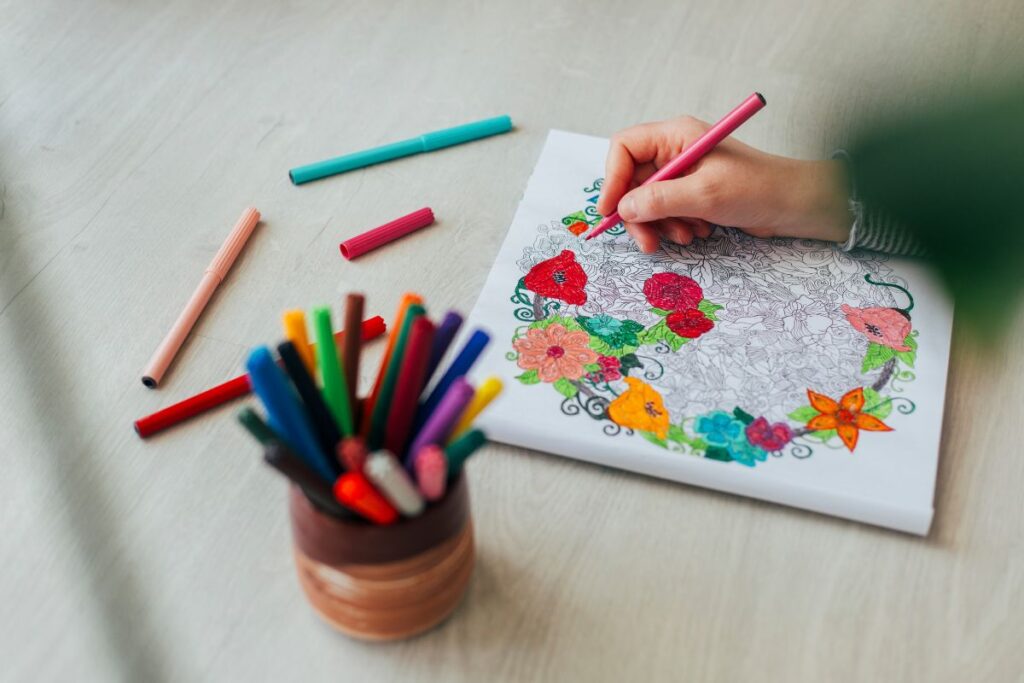
Choosing the right coloring supplies can transform your child’s creative experience from ordinary to extraordinary. The right tools not only make coloring more enjoyable but also help develop fine motor skills, boost confidence, and encourage artistic expression.
Whether your child is just starting to explore coloring or is becoming a more serious young artist, this guide will help you navigate the overwhelming world of coloring supplies and find exactly what your child needs.
1. Understanding Age-Appropriate Coloring Supplies
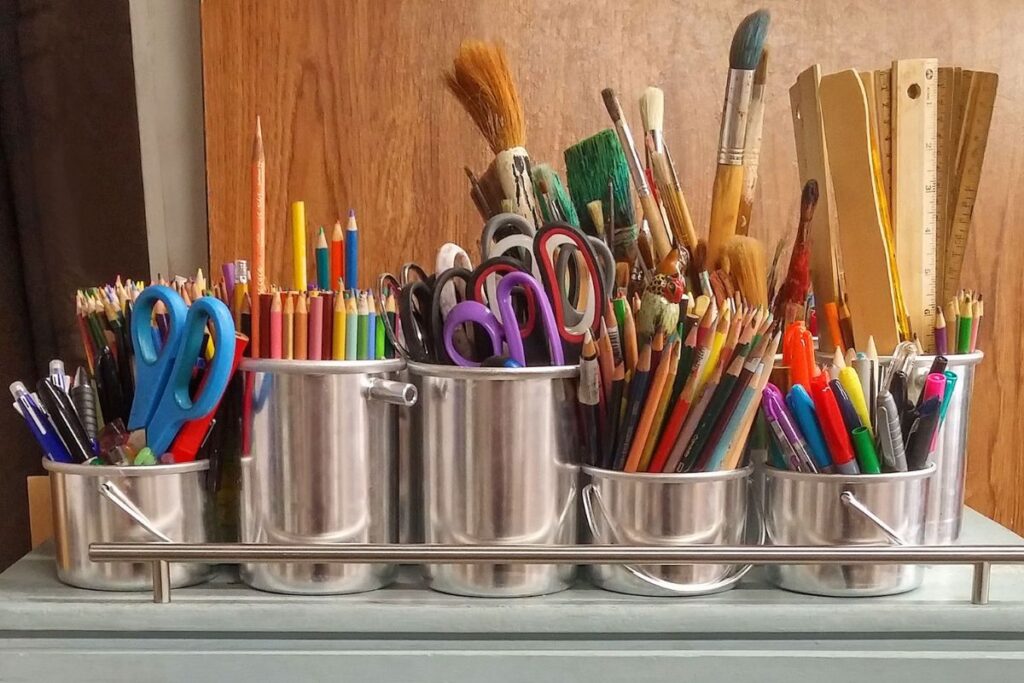
Children’s developmental stages significantly affect which supplies work best for them. Matching supplies to your child’s age and motor skill development ensures they can use the materials effectively and safely.
Ages 2-4: Large and Chunky Supplies
Young toddlers are still developing their fine motor skills and grip strength. They benefit most from supplies that are easy to hold and difficult to break.
- Jumbo crayons that fit easily in small hands
- Chunky markers with thick barrels for better grip
- Large paint brushes designed for toddlers
- Supplies with rounded edges and no small parts
- Non-toxic, washable materials since everything goes in mouths
Ages 5-7: Building Technique and Control
Children in this range have better hand control and can handle standard-sized supplies. This is when they start developing actual coloring technique.
- Standard colored pencils and crayons
- Washable markers in multiple colors
- Basic watercolor sets with easy-to-use palettes
- Supplies that encourage proper grip and control
- Materials that allow for more detailed work
Ages 8-10: Creative Expression and Experimentation
Older children can handle more complex supplies and often want to experiment with different mediums to express themselves creatively.
- Quality colored pencils with better pigmentation
- Blending tools and more advanced techniques
- Acrylic and tempera paints for variety
- Specialty crayons and pastels
- Materials that allow for more sophisticated results
Ages 11+: Semi-Professional Supplies for Serious Artists
Preteens and older children who are genuinely interested in art can appreciate and benefit from higher-quality supplies.
- Premium colored pencil brands
- Professional-grade pastels and markers
- Advanced paint sets with more color options
- Specialty papers and blending tools
- Supplies that support serious artistic development
2. Colored Pencils: Types and Best Brands
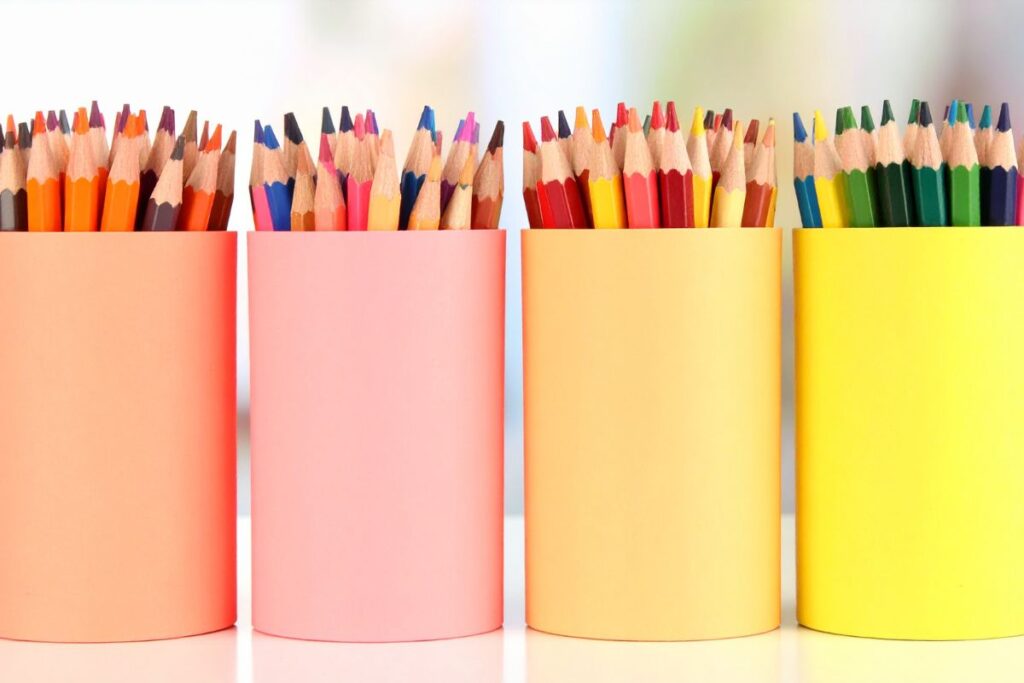
Colored pencils offer precision and control that many children love. Understanding the different types and quality levels helps you choose supplies that will actually be used and appreciated.
Budget-Friendly Options for Casual Coloring
If your child enjoys coloring but isn’t obsessive about quality, budget-friendly pencils work perfectly fine. These include generic pencils from craft stores and basic multi-packs that cost just a few dollars. They provide decent color and work well for simple projects, though they may not blend as smoothly or produce as vibrant colors as pricier options.
Mid-Range Quality Pencils
This category includes brands like Crayola Signature, Shuttle Art, and similar options that cost between $10 and $25 for larger sets. These pencils offer better pigmentation than budget options, blend reasonably well, and hold up to regular use. They’re ideal for kids who color frequently and want better results without the premium price tag.
Premium Colored Pencil Brands
Brands like Prismacolor, Faber-Castell Polychromos, and Caran d’Ache are professional-grade options that offer superior color quality, smooth blending, and durability. These pencils cost more (often $1-3 per pencil) but deliver exceptional results. They’re best for kids who are serious about art and have demonstrated consistent interest in coloring.
Wax-Based vs. Oil-Based Pencils
Wax-based pencils (like Crayola) are softer, easier to blend, and more affordable. Oil-based pencils (like Prismacolor) offer richer colors, smoother application, and better blending but cost significantly more. For most kids, wax-based pencils are perfectly adequate. Oil-based pencils are worth considering for older children interested in serious art.
Pencil Softness and Blending Capabilities
Softer pencils blend more easily and produce bolder colors but wear down faster. Harder pencils last longer and are better for detail work. For kids, a mix of softness levels offers the most versatility. Look for pencils labeled by softness if possible, as this indicates better quality control.
Best Brands for Kids at Different Price Points
At budget level, Crayola Classic remains a reliable choice. Mid-range options include Cra-Z-Art and Arteza pencils, which offer good quality without breaking the bank. For premium options, Faber-Castell and Staedtler offer excellent quality. Prismacolor is the top choice for serious young artists willing to invest in their craft.
3. Markers and Washable Options
Markers are often a favorite among children because they produce bold colors quickly and require minimal effort. However, selecting washable options is crucial for preventing permanent stains on clothing and furniture.
Washable markers are specially formulated to come out of fabric, skin, and most surfaces with water and mild soap. Permanent markers are designed to last on most surfaces and are much harder to remove. For young children, washable is always the better choice, even if slightly more expensive.
Marker tip sizes vary from fine points for detail work to broad chisel tips for covering large areas. Most children benefit from having multiple tip sizes available. Dual-tip markers offer flexibility by providing both a fine point and a broader tip in one marker, maximizing supply efficiency.
When selecting markers, look for non-toxic certifications like ASTM D4236 or AP (Approved Product) labels. These certifications ensure the markers meet safety standards and are safe for children to use, even if accidentally ingested.
Popular Kid-Friendly Marker Brands
Crayola Washable Markers remain the gold standard for young children and offer excellent washability. Shuttle Art and Arteza provide washable options with better color variety and quality. For older kids, Copic markers are professional-grade but expensive. Pilot FriXion markers offer erasable options that appeal to some children. Stabilo BOSS markers are perfect for highlighting and creative projects.
Storage and Care Tips for Markers
Store markers horizontally or tip-down to keep them from drying out. Keep marker lids tightly closed when not in use. Assign a designated container so markers are easy to find and less likely to be lost. Rotate through your markers periodically to ensure even use. Replace caps on pens immediately after use, as caps left off cause markers to dry out quickly.
4. Crayons: Classic and Beyond
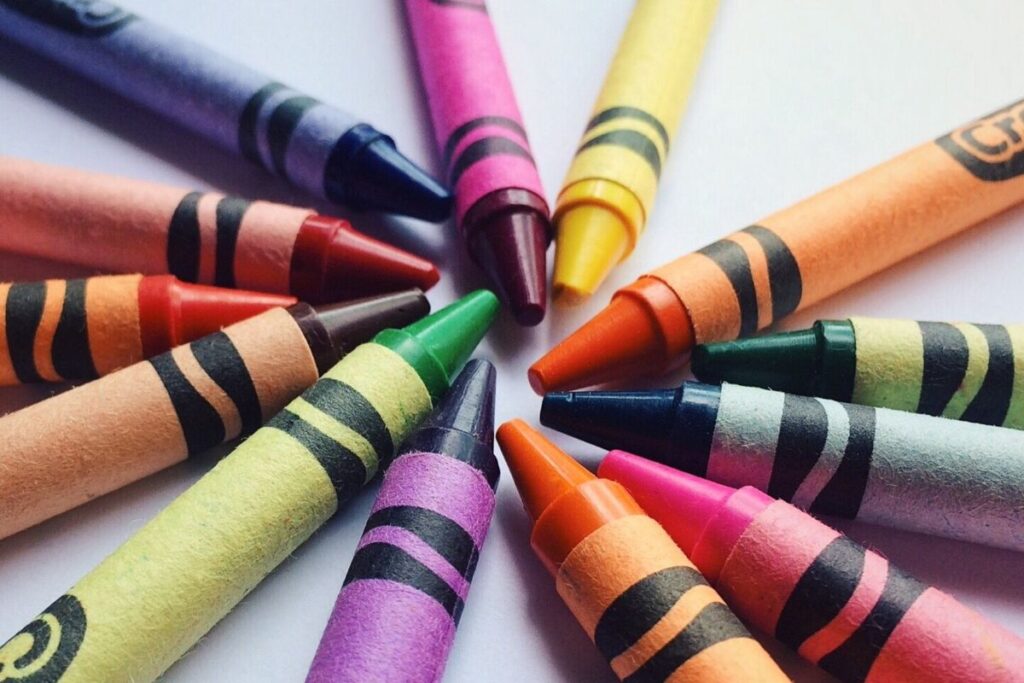
Crayons are often the first coloring tool children use and remain a staple throughout childhood. While basic crayons are affordable and effective, numerous variations offer different experiences and appeal.
Traditional Wax Crayons
Standard wax crayons like Crayola Classics are affordable, durable, and reliable. They’re perfect for young children and casual coloring. These crayons offer decent color payoff and are nearly impossible to ruin, making them ideal for worry-free creative play.
Jumbo Crayons for Younger Children
Jumbo crayons are oversized and perfect for toddlers and preschoolers who are still developing grip strength. They’re easy to hold, difficult to break, and cover large areas quickly, which appeals to very young artists.
Twistable Crayons for Mess-Free Coloring
Twistable crayons require no sharpening and offer a cleaner alternative to traditional crayons. The barrel advances as you twist it, keeping hands clean and preventing broken points. Many children prefer these because there’s no sharpening required.
Gel Crayons for Vibrant Colors
Gel crayons produce brighter, more vibrant colors than traditional wax crayons and often have a smoother application. They’re slightly more expensive but offer a different coloring experience that some children find more satisfying.
Natural and Eco-Friendly Crayon Options
Soy-based crayons and crayons made from sustainable materials appeal to environmentally conscious families. Brands like Cra-Z-Art and Natural Earth Paint offer non-toxic, eco-friendly options. These crayons perform similarly to traditional crayons while being better for the environment.
Best Budget and Premium Brands
Crayola remains the best budget option with excellent quality for the price. Cra-Z-Art offers good mid-range options with eco-friendly certifications. Faber-Castell Jumbo crayons are the premium choice, offering superior color and smooth application.
5. Pastels and Chalk
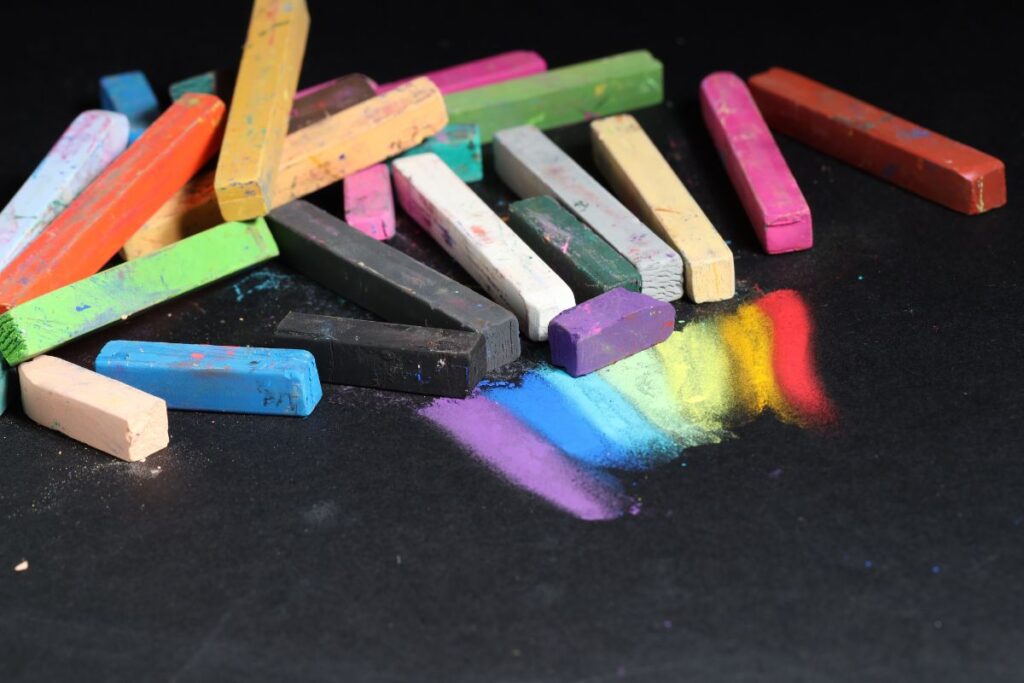
Pastels occupy a unique middle ground between crayons and colored pencils, offering smooth blending and vibrant colors with less precision required than pencil work.
Oil Pastels for Smooth Blending
Oil pastels are soft, creamy, and blend beautifully using fingers, tissues, or blending tools. They produce rich colors and create a professional appearance relatively easily. The downside is they can be messier than other supplies and may require good ventilation.
Chalk Pastels for Dustless Options
Chalk pastels produce the classic pastel look but with variable dust levels depending on the brand. Dustless pastels minimize mess while still providing smooth blending and vibrant colors. These are ideal for kids who want pastels without the mess concerns.
Soft Pastels for Advanced Techniques
Soft pastels offer superior color quality and blending capabilities but are typically more expensive. They’re best for older children or young artists serious about exploring this medium.
Pastel Safety and Non-Toxicity
Always select non-toxic, ASTM D4236 certified pastels. Ensure pastels are clearly labeled as safe for children. Check for proper ventilation when using pastels, especially oil pastels, as some children may be sensitive to dust or fumes.
Best Brands for Kids
Cra-Z-Art Timeless Creations pastels offer good quality at budget prices. Crayola Signature line provides mid-range pastels that are smooth and easy to use. Faber-Castell Soft Pastels are professional-grade with excellent quality.
Proper Ventilation When Using Pastels
Use pastels in well-ventilated areas whenever possible. Open windows or use fans to disperse any dust. Avoid prolonged exposure to pastel dust, as some children may experience sensitivity. Consider using dustless pastels if ventilation is limited.
6. Paint and Brush Sets
Paint opens up an entirely new creative dimension beyond traditional coloring. It offers different techniques, faster results on large areas, and a more fluid artistic experience.
Watercolor Sets for Beginners
Watercolor is ideal for introducing paint to children. It’s relatively non-toxic, quick-drying, and forgiving. Watercolor sets come with built-in mixing palettes, making them convenient and contained. The learning curve is short and results are usually satisfying even for beginners.
Acrylic Paints for Quick-Drying Projects
Acrylics dry quickly, which appeals to children who want immediate results. They’re water-based and non-toxic, making them safe for kids. Acrylics are versatile, covering multiple surfaces including paper, wood, and canvas. They’re slightly more permanent than watercolor, which many children appreciate.
Tempera Paints for Classroom Use
Tempera paints are the classic school paint because they’re affordable, vibrant, and easy to clean up. They wash out of clothing relatively easily if treated quickly. Tempera is thicker and more opaque than watercolor, making coverage quick and satisfying.
Brush Quality and Types
Quality brushes make a significant difference in the painting experience. Inexpensive brushes have bristles that shed and don’t hold paint well. Mid-range brushes offer good durability and control. For kids, mid-range brushes are the sweet spot between affordability and performance. Keep various brush sizes available for different techniques and coverage areas.
Complete Paint Sets vs. Individual Purchases
Paint sets are convenient and economical for getting started. Most sets include basic colors and brushes. Individual paints offer better color quality and customization but require more planning. For beginners, sets are ideal. As kids develop preferences, supplementing with individual paints makes sense.
Safety Considerations for Children
Always use non-toxic, ASTM D4236 certified paints. Check age recommendations on paint products. Ensure brushes don’t have loose bristles that could be ingested. Wash hands thoroughly after painting. Avoid paints with strong chemical smells, as some children may be sensitive. Ensure adequate ventilation when painting indoors.
7. Coloring Books and Paper
The paper and books your child colors on significantly impact their experience. Quality matters more than many parents realize.
Coloring Book Types and Themes
Animals are always popular, appealing to children of various ages. Mandalas offer intricate designs perfect for older kids and mindfulness. Scene-based books provide context and storytelling elements. Character-based books featuring popular franchises appeal to young fans. Abstract and pattern books challenge artistic thinking. Educational books combine learning with coloring fun.
Paper Weight and Texture for Different Supplies
Thin paper (20 lb) works fine for markers and light coloring pencil work but may wrinkle with heavy pressure or wet supplies. Medium weight (24-28 lb) is ideal for most coloring, offering durability without being heavy. Heavy weight (32 lb or more) is best for watercolors, acrylics, and intense colored pencil work. Textured paper can enhance certain techniques but may make precise work more difficult.
Pre-Printed vs. Blank Drawing Paper
Pre-printed coloring books provide structure and guidance, which appeals to many children. Blank paper offers unlimited creative freedom and is better for drawing and painting. The best approach is offering both, allowing children to choose based on their mood and project.
Specialty Paper for Specific Techniques
Watercolor paper is thicker and handles wet media better without buckling. Mixed media paper handles various supplies. Cardstock is heavy and durable. Kraft paper offers a different aesthetic. Having specialty options available encourages experimentation.
Age-Appropriate Design Complexity
Young children (2-5) need simple designs with large areas to color. Older children (6-8) can handle moderate complexity with some detail. Older kids (9+) appreciate intricate designs with small areas and complex patterns. Match complexity to your child’s skill level and patience.
Where to Find Quality Coloring Books
Online retailers like Amazon offer extensive selections. Local bookstores and libraries have coloring books to browse before purchasing. Art supply stores stock premium coloring books. Free printable coloring pages offer budget-friendly options. Specialty stores often carry unique or niche coloring books.
8. Blending and Finishing Tools
Certain tools elevate the coloring experience and help children achieve more professional-looking results. These accessories aren’t essential but can be valuable additions to a supply collection.
Blending Stumps for Pencil Work
Blending stumps (also called tortillons) are small, tightly rolled paper tools used to blend colored pencil marks. They create smooth transitions and more finished-looking artwork. Kids can also use tissues or cotton swabs as blending tools without purchasing specialized items.
Tissue Blending Techniques
Tissues, cotton balls, and cotton swabs offer free blending options. They work surprisingly well for smoothing color transitions and creating interesting effects. Teaching children these techniques encourages experimentation and creative problem-solving.
Sharpeners and Pencil Maintenance
A good pencil sharpener makes a difference in the coloring experience. Cheap sharpeners break pencil tips easily. Manual sharpeners offer control and work well. Electric sharpeners are fast but can be harsh. For kids, a quality manual sharpener is ideal. Include sharpenings in your supply routine.
Erasers for Corrections
Kneaded erasers are soft and moldable, perfect for lightening colored pencil marks without damaging paper. Regular erasers work for pencil, though some colored pencil won’t erase completely. Eraser pencils offer precision for detailed corrections.
Fixative Sprays for Finished Artwork
Fixative sprays seal finished artwork, protecting it from smudging and fading. They’re especially useful for pastel and charcoal work. Always use in well-ventilated areas and follow product instructions carefully.
Protective Sleeves and Storage Solutions
Protective glassine paper separates finished pieces and prevents smudging. Acetate sleeves protect artwork from dust and damage. Acid-free storage helps preserve artwork long-term.
9. Budget-Friendly vs. Premium Supplies
Smart supply choices balance quality, affordability, and your child’s actual needs. Understanding when to invest and when basic options suffice saves money and ensures satisfaction.
Starter Sets for Beginners
Starter sets offer great value when introducing new mediums. They provide essentials without overwhelming choices. Starter watercolor sets, marker sets, and crayon packs are all excellent entry points. Expect to spend $10-30 for quality starter sets.
Quality Indicators Beyond Price
Number of colors doesn’t equal quality. Look for vibrant colors, smooth application, and durability. Reputable brands maintain consistent quality. Professional certifications (ASTM, AP labeling) indicate safety and quality. Check customer reviews for real-world performance insights.
Building a Supply Collection Gradually
Rather than buying everything at once, gradually add supplies based on your child’s developing interests. Start with basics, then expand as preferences become clear. This approach prevents waste and helps identify what your child actually uses and enjoys.
Value for Money Considerations
Premium supplies are worth the investment if your child is serious and uses them regularly. Budget supplies are fine for casual, exploratory coloring. Mid-range options offer good balance for most families. Consider cost per use: a premium supply used frequently offers better value than an expensive supply rarely used.
Where to Find Deals and Discounts
Watch for back-to-school sales when supplies drop significantly in price. Craft stores offer frequent coupons (check their websites and apps). Online retailers often have better prices on bulk supplies. Warehouse clubs offer bulk supplies at good prices. Sales at year-end offer opportunities to stock up.
Investment in Quality for Serious Young Artists
If your child shows genuine talent and passion, investing in quality supplies is worthwhile. Better supplies enable better results, which builds confidence and motivation. Premium supplies also last longer, reducing overall costs. View supplies as an investment in your child’s artistic development.
10. Safety Considerations and Certifications
Parent safety concerns about coloring supplies are valid. Understanding certifications and safety standards helps you make confident choices.
Non-Toxic Labeling and What It Means
Non-toxic labels indicate the product meets safety standards and contains no harmful substances in normal use. However, this doesn’t mean the product is edible or safe to ingest. Non-toxic means it’s safe for children to use normally, including minor accidental contact with skin or eyes.
ASTM and Other Safety Certifications
ASTM D4236 is the most common certification for art supplies used by children. This mark indicates the product has been evaluated by an independent lab and contains no harmful substances. AP (Approved Product) certification from the Art and Craft Materials Institute is another reputable standard. Look for these marks on packaging.
Age Recommendations and Choking Hazards
Always check age recommendations on products. Small pieces, removable caps, and thin markers can pose choking hazards for very young children. Follow manufacturer age guidelines carefully, especially for children under three.
Allergen Information
Some children have sensitivities to specific materials. Check ingredient lists if your child has known allergies. Brands increasingly provide allergen information. Contact manufacturers directly if information isn’t available on packaging.
Ventilation Requirements
Some supplies like oil pastels, permanent markers, and acrylics produce fumes. Use these supplies in well-ventilated areas. Open windows or use fans during and after use. If a product smells extremely strong or causes headaches, improve ventilation or discontinue use.
Proper Storage Away from Reach
Store all supplies safely away from very young children. Keep permanent markers and alcohol-based supplies secure. Store pastels where they won’t be ingested. Keep all supplies in designated containers away from food preparation areas.
11. Organization and Storage Tips
Well-organized supplies encourage use and prevent loss and damage. Proper storage extends supply lifespan and makes the coloring experience smoother.
An organized system keeps supplies accessible and prevents frustration when children want to create. Knowing exactly where specific colors or tools are located streamlines the creative process.
Container Options for Different Supply Types
Clear plastic organizers with compartments work well for markers and pencils, allowing kids to see and select colors easily. Pencil cases are portable and protect supplies during transport. Fishing tackle boxes offer multiple compartments and are surprisingly perfect for supply organization. Lazy Susans make color selection easier and space-efficient. Cups, jars, or small bins organize supplies by type.
Labeling Systems for Easy Access
Color-coding containers helps younger children find supplies independently. Labeling boxes by supply type (markers, pencils, crayons) creates organization. Alphabetical organization by color helps older kids find specific hues. Visual labels with pictures help non-readers locate supplies.
Preventing Color Mixing and Damage
Separate different supply types to prevent mixing (crayons separate from markers). Use dividers within containers to organize colors logically. Store supplies away from direct sunlight to prevent fading. Keep moisture-sensitive supplies away from damp areas. Use caps, lids, and covers to protect open supplies.
Portable Organizers for Travel
Portable caddy organizers work well for transport and travel. Craft tote bags keep supplies contained and portable. Rolling cases protect larger collections during movement. Zippered pouches organize and protect supplies. Having portable options encourages coloring outside the home.
Creating a Dedicated Coloring Station
Designate a specific area for coloring that’s accessible to your child. Include the coloring table or surface, organized supplies, and completed work storage. Add good lighting for detailed work. Stock the area with various paper and coloring books. Make it an inviting, dedicated creative space.
Rotating Supplies to Maintain Interest
Store some supplies away and rotate them periodically. This makes supplies feel new and fresh when reintroduced. It also prevents overwhelming choices. Rotation keeps children engaged and interested in coloring.
12. Recommendations by Preference and Budget
Different children have different needs and preferences. These recommendations help match supplies to your specific situation.
Best Supplies for the Casual Colorer
Children who color occasionally don’t need extensive collections. Provide a few good-quality supplies rather than many mediocre ones. A basic marker set, colored pencil set, and coloring books offer variety. Budget $30-50 for a solid casual colorer collection. Focus on quality over quantity.
Recommendations for Art-Focused Kids
Children passionate about art benefit from variety and quality. Include multiple mediums: pencils, markers, paints, pastels. Invest in better-quality supplies in their preferred mediums. Provide specialty papers and blending tools. Stock a wider color range. Budget $100-200+ for a serious young artist’s collection. Update and expand annually.
Budget-Conscious Family Options
Look for sales and seasonal promotions. Buy complete sets rather than individual items. Use free printable coloring pages rather than expensive coloring books. Consider generic brands that perform similarly to name brands. Focus investment on most-used supplies. Budget $20-40 for a functional family collection.
Splurge-Worthy Premium Choices
Premium colored pencils (Prismacolor or Faber-Castell) if your child loves detailed pencil work. Quality watercolor sets if painting is their passion. Professional-grade pastels if blending and color quality matter. Premium coloring books featuring intricate designs. Specialty papers appropriate for their preferred mediums.
Supplies for Kids Who Prefer Specific Mediums
Pencil lovers need quality colored pencils, blending tools, and specialty paper. Marker fans want variety in tip sizes and washable options. Paint enthusiasts need quality sets, brushes, and appropriate paper. Pastel enthusiasts need blending tools and specialty paper. Tailor investments to their demonstrated preferences.
Gift Ideas for Young Artists
Art supply subscription boxes deliver curated supplies monthly. Quality pencil or marker sets in attractive packaging make excellent gifts. Specialty coloring books featuring their favorite themes or characters. Premium art sets expanding their current collection. Personalized artist studio supplies or furniture. Workshops or classes in their preferred medium.
Conclusion
Choosing coloring supplies for your child doesn’t have to be overwhelming. Start with age-appropriate basics and expand gradually as interests develop. Quality matters more than quantity, but budget-friendly options work perfectly for casual colorers. Invest in better supplies if your child demonstrates genuine passion and regular use.
Remember that every child is unique. What works perfectly for one child might not appeal to another. Experimenting with different mediums and supplies helps children discover their preferences. Some children love the precision of colored pencils, while others prefer the immediacy of markers or paints.
The most important thing is encouraging creative expression and exploration. Whether your child colors with basic crayons or premium pastels, the real value lies in the creative process and the joy of making art. Use this guide as a starting point, observe your child’s preferences and interests, and build a supply collection that supports their unique artistic journey.