
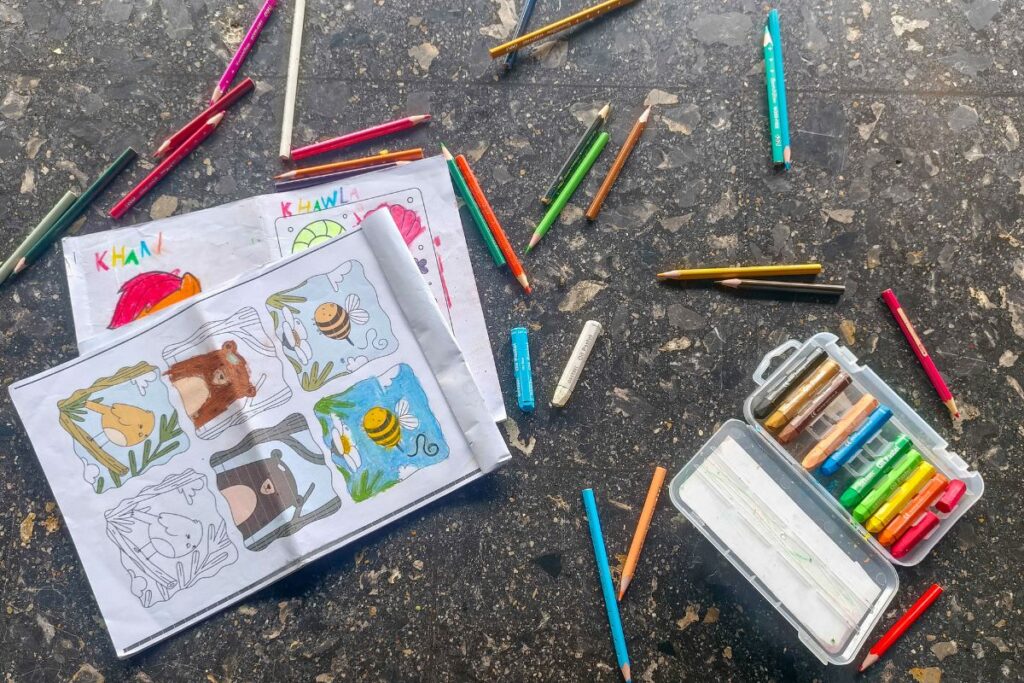
The debate between crayons and colored pencils has been going on for decades. Parents wonder which their child should use. Artists debate which delivers superior results.
The truth is that both have legitimate advantages and disadvantages, and the “better” choice depends entirely on your specific needs, preferences, and goals. This guide breaks down the differences so you can make an informed decision that works for your situation.
1. Basic Differences and Composition
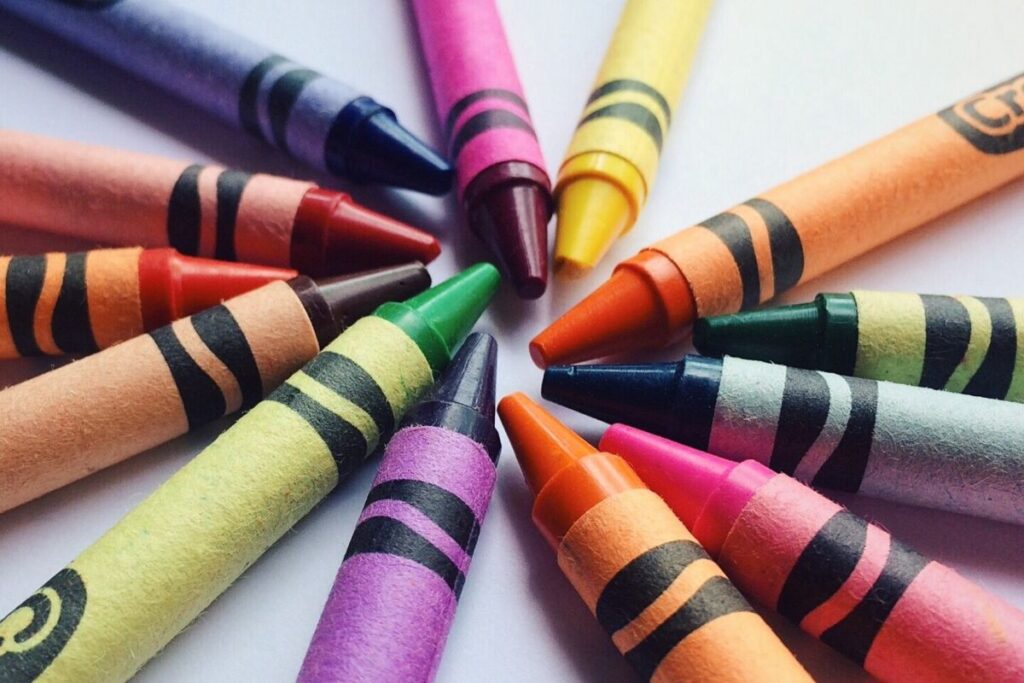
Understanding how crayons and colored pencils are fundamentally different helps explain why they behave so differently.
Crayons are made of wax mixed with pigment. The wax provides the binder that holds pigment particles together in a stick form. This simple composition makes crayons durable and forgiving. The wax coating prevents immediate drying and maintains consistency over time.
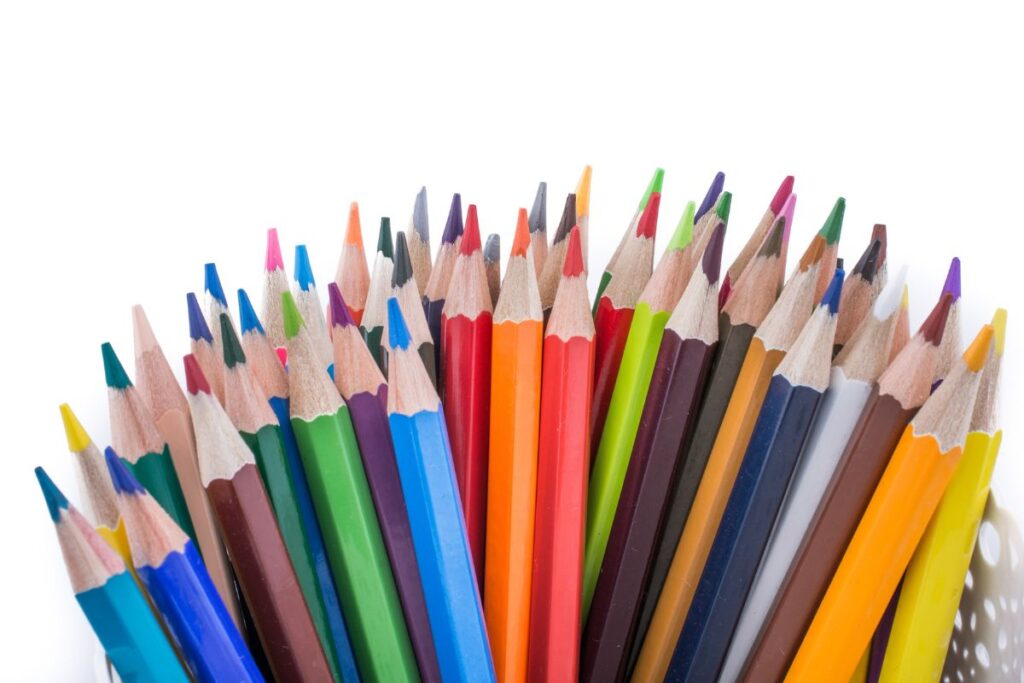
Colored pencils use pigment combined with various binders like wax, oil, or gum. The binder holds pigment in a cylindrical form. The specific binder used affects how the pencil performs. Wax-based pencils are softer and blend more easily. Oil-based pencils offer richer colors and smoother application.
How Composition Affects Performance
Crayons’ wax composition means they’re forgiving and nearly impossible to damage through normal use. The wax doesn’t dry out over time, ensuring crayons remain usable for years. Colored pencils are more fragile. Pressure can break the core, and they eventually dull and require sharpening.
Shelf Life and Storage Differences
Crayons maintain their quality indefinitely if stored reasonably. Extreme heat can soften them, but they recover when cooled. Colored pencils also age well but require sharpening to remain useful. Both mediums benefit from cool, dry storage away from direct sunlight.
Environmental Considerations
Crayons are typically made from paraffin wax, a petroleum byproduct. Eco-friendly brands offer soy-based or plant-based alternatives. Colored pencils generate sharpener waste. Pencil quality affects total usage, as cheaper pencils break more often. Both mediums have environmental impacts, though neither is dramatically worse than the other.
2. Age-Appropriateness and Skill Level
Different ages and skill levels benefit from different tools. Understanding developmental stages helps choose appropriately.
Crayons for Toddlers and Preschoolers
Crayons are ideal for toddlers and preschoolers. Jumbo crayons fit small hands perfectly. They’re nearly impossible to break through normal coloring. No sharpening or setup is required. Crayons are forgiving, so mistakes don’t matter. The child focuses on coloring fun rather than tool management.
Young Children Transitioning Between Tools
Children ages 5-7 typically handle both crayons and colored pencils. Some prefer crayons’ simplicity and bold colors. Others gravitate toward colored pencils’ precision. Many use both depending on their mood and project. This age is when experimentation helps children discover preferences.
Older Children and Tool Alignment
Children ages 8 and up often develop clear preferences. Those interested in detailed, intricate work gravitate toward colored pencils. Children who love bold, quick projects prefer crayons. Some artistic children use both for different purposes. Neither choice is “better” at this age; it’s about matching tools to interests.
Adult Beginners and Learning Curves
Adults new to coloring often find crayons refreshingly simple and stress-free. No technique is required. Adults with interest in developing artistic skills often choose colored pencils despite the steeper learning curve. Adults sometimes start with crayons for relaxation and later explore colored pencils for creative challenge.
Using Both at Different Stages
Many people use crayons during certain life phases and colored pencils during others. This is completely normal and encouraged. Your tool preferences may shift as your interests and available time change.
3. Cost Comparison
Budget considerations often influence tool choice. Understanding the true costs helps with financial planning.
Entry-Level Cost for Crayons
A basic box of 24 crayons costs $2-5. A large box of 64 crayons runs $5-10. Jumbo crayons for toddlers cost slightly more but last longer due to larger size. Crayons are among the cheapest art supplies available.
Entry-Level Cost for Colored Pencils
A basic set of 12 colored pencils costs $5-10. A set of 24 pencils runs $10-20. A quality set of 36 pencils costs $20-35. Budget colored pencil sets cost more initially than basic crayon sets.
Cost Per Use Calculations
A single crayon costs roughly $0.10-0.25. A single colored pencil costs roughly $0.50-2.00 depending on quality. However, colored pencils last longer if used reasonably. A quality colored pencil might deliver 100+ hours of usable time. Budget crayons might deliver 40-60 hours. Cost per hour of use becomes comparable between mediums.
Budget to Mid-Range Options
Mid-range crayons like Cra-Z-Art cost slightly more but offer better colors. Mid-range colored pencils like Shuttle Art or Arteza offer significant quality improvements over budget options. Both mediums improve noticeably in this price tier.
Premium Options and Pricing
Premium crayons from brands like Faber-Castell cost $1-2 each. Premium colored pencils from Prismacolor or Faber-Castell cost $1-3 each. At premium levels, the price difference between mediums narrows significantly.
Bulk Purchasing Considerations
Buying crayons and colored pencils in bulk reduces per-unit cost substantially. Wholesale options and back-to-school sales offer significant savings. Families using either medium regularly benefit from bulk purchasing.
Long-Term Investment Value
Colored pencils represent better long-term value if used regularly. Better quality lasts longer and requires replacement less frequently. Crayons are consumable and eventually used up, but the initial investment is small enough that replacement doesn’t strain budgets.
4. Ease of Use and Learning Curve
How quickly someone can achieve satisfying results varies between mediums.
Crayons Requiring No Setup
Crayons are ready to use immediately. Remove from the box and color. No sharpening, preparation, or technique is required. This simplicity is perfect for young children, people with limited motor skills, or anyone wanting quick results.
Colored Pencils Needing Preparation
Colored pencils require sharpening before use. Dull pencils frustrate users and don’t apply color well. Sharpeners break occasionally, adding complexity. First-time users must learn proper grip and pressure. The setup barrier is small but real.
Grip and Control Differences
Crayons are chunky and easy to grip. Children naturally hold them correctly. Fine motor control isn’t required for acceptable results. Colored pencils are thinner and require more deliberate grip. Proper grip matters for quality results. This difference favors crayons for young children.
How Quickly Children Master Each
Most children master crayons immediately. They produce recognizable colors within seconds. Colored pencils take longer to master. The learning curve is gentle but noticeable. Some children find this frustrating; others find it motivating.
Mistakes and Corrections
Crayon mistakes are easily covered by coloring over them. Errors become learning opportunities rather than disappointments. Colored pencil mistakes are harder to hide. Erasing works partially. Covering mistakes is possible but visible. This affects how forgiving each medium feels.
Experimentation and Play vs. Technique
Crayons encourage uninhibited play and experimentation. The forgiving nature means any result is acceptable. Colored pencils encourage technique development and intentional work. This difference affects how people approach using each medium.
Frustration Factors for Learners
Crayons frustrate mainly when unavailable or broken. Colored pencil frustrations include sharpening inconvenience and difficulty achieving desired results. Children with limited patience or persistence benefit from crayons’ immediate reward. Motivated learners tolerate colored pencil’s learning curve.
5. Color Application and Vibrancy
How each medium applies and displays color differs significantly.
Crayon Color Saturation and Boldness
Crayons produce bold, saturated colors with minimal effort. A single stroke applies significant pigment. Crayons are excellent for achieving vibrant, opaque colors. The boldness appeals to many people who love vivid results.
Colored Pencil Color Intensity
Quality colored pencils produce rich, intense colors. However, they require layering to achieve full saturation. Budget colored pencils produce lighter colors even with pressure. This difference means colored pencils require more technique for vibrancy.
Coverage and Opacity Differences
Crayons cover completely in one or two passes. The wax base provides opacity that hides paper underneath. Colored pencils require multiple layers to fully cover. Light colors especially require heavy layering. For quick, opaque coverage, crayons excel.
How Pressure Affects Application
Light crayon pressure produces light color. Heavy pressure produces darker, more saturated color. Increasing pressure gradually builds color intensity. Colored pencil pressure has similar effects but is more subtle. Colored pencils reward skillful pressure control.
Layering Capabilities
Crayons layer well for mixing colors. Second colors show clearly over first colors. Layering too much creates muddy, thick results. Colored pencils layer exceptionally well. Many layers build rich, complex colors. Layering is encouraged with colored pencils.
Color Mixing Possibilities
Crayons can be mixed by layering, though results are sometimes unpredictable. Shading one color over another creates blends. The results are bold but not always subtle. Colored pencils mix more intentionally and with more control. Precise color mixing is possible through careful layering.
6. Blending and Shading Techniques
Achieving smooth transitions and creating depth requires different approaches with each medium.
Crayon Blending Through Layering and Pressure
Crayons blend through layering one color over another and adjusting pressure. Light pressure over light color creates subtle transitions. Heavy pressure creates bold blends. The technique is intuitive for most people. Results are satisfying though not always subtle.
Colored Pencil Blending With Tools
Colored pencils blend using blending stumps, tissue, or even fingers. This allows intentional, controlled blending. Smooth transitions are achievable with practice. The technique requires more skill than crayon blending. Results can be extremely subtle and sophisticated.
Achieving Smooth Transitions
Crayons create transitions through color layering. Smooth transitions are possible but require careful work. Very smooth, barely-there transitions are difficult with crayons. Colored pencils create smooth transitions more easily and with less effort. Skilled colored pencil artists create professionally smooth transitions.
Creating Gradients and Shadows
Crayons create gradients by layering lighter colors toward darker colors. Shadows are created through heavy pressure and dark colors. Gradients are bold and graphic. Colored pencils create subtle gradients through careful layering. Shadows can be delicate or dramatic depending on technique.
Technique Difficulty and Skill Requirements
Crayon blending feels natural and intuitive. Most people achieve acceptable results without instruction. Colored pencil blending requires more deliberate technique. Instruction accelerates learning but isn’t essential. The learning curve affects willingness to try each medium.
Visual Differences in Final Results
Crayon artwork has a characteristic graphic, bold appearance. Colors are vivid and unsubtle. Colored pencil artwork can range from graphic to photorealistic. The versatility of appearance is greater with colored pencils.
When Blending Matters vs. When It Doesn’t
For cartoon-style coloring, blending doesn’t matter. Bold colors are perfect. For realistic, detailed work, subtle blending is essential. For most coloring pages, moderate blending adds polish without being required. Consider your artistic goals when weighing this factor.
7. Precision and Detail Work
The ability to work with intricate designs differs between mediums.
Crayon Limitations for Fine Detail
Crayons are chunky and inherently imprecise. Fine detail work is difficult. Small areas are hard to color without touching surrounding areas. Precise lines are nearly impossible. These limitations don’t matter for bold designs but frustrate those seeking precision.
Colored Pencil Precision Advantages
Colored pencil tips can be sharpened to points. Sharp points allow precise lines and detailed work. Small areas can be colored without touching surroundings. Fine detail work is achievable. The precision appeals to detail-oriented artists.
Point Sharpness and Maintenance
Crayons are never sharp. Sharpening is theoretically possible but impractical. Colored pencils sharpen to points easily. Maintaining sharpness requires occasional resharpening. The difference significantly affects capability for detail.
Working With Intricate Designs
Intricate coloring pages with small areas frustrate crayon users. Simple designs with large areas work perfectly. Colored pencils handle intricate designs easily. The precision of colored pencils matches the demands of detailed designs.
Line Control and Consistency
Crayons don’t allow precise line control. Line width is relatively consistent but never precise. Colored pencils allow variable line width through pressure and point angle. Fine lines are possible. Line control affects whether design details are honored.
Small-Scale Projects
Detailed, small artwork is difficult with crayons. Colored pencils handle small-scale projects well. A colored pencil can shade an area the size of a postage stamp. A crayon can’t effectively work at that scale.
When Precision Matters
For simple, bold designs, precision doesn’t matter. For intricate, detailed designs, precision is essential. For most coloring pages, some precision is beneficial. Consider the designs you plan to color when choosing your medium.
8. Paper and Surface Compatibility
Different mediums perform differently on various papers and surfaces.
Crayon Performance on Various Papers
Crayons work on nearly any paper surface. Even thin paper handles crayon without issues. The wax naturally resists tearing through pressure. Crayons work on textured paper, glossy paper, cardstock, and almost everything. This versatility is a major crayon advantage.
Colored Pencil Performance on Different Surfaces
Colored pencils need adequate paper tooth to grip pigment. Very smooth surfaces produce disappointing results. Thin paper can break under sharp points. Textured paper works beautifully. Medium-weight paper is adequate. Heavy paper is preferable. Colored pencils are pickier about surfaces.
Pressure Requirements and Paper Damage
Crayons apply gentle pressure. Heavy crayon pressure doesn’t damage paper. Light pressure works fine. Colored pencils can break through thin paper under heavy pressure. Sharp points can puncture paper. Pressure control is necessary with colored pencils.
Compatibility With Different Finishes
Crayons work on glossy, matte, and textured finishes equally well. Paper finish barely affects crayon results. Colored pencils perform better on textured finishes. Glossy paper produces less satisfying colored pencil results. The finish difference matters more for colored pencils.
Texture Interactions
Heavily textured paper shows through crayon colors interestingly. Some find this appealing; others find it distracting. Colored pencils interact beautifully with texture. Texture enhances colored pencil work. The interaction matters if you prefer certain aesthetic effects.
Surface Tooth and Grip
Crayons grip paper naturally regardless of tooth. Colored pencils need adequate tooth to grip. Slick paper defeats colored pencils. This difference favors crayons on variety of surfaces.
Bleed-Through Considerations
Crayons can bleed through very thin paper. Markers bleed through more readily. Colored pencils rarely bleed through. For double-sided coloring, colored pencils are superior. For single-sided projects, bleed-through rarely matters.
9. Permanence and Archival Quality
How artwork ages differs between mediums. This matters for work you want to preserve.
Crayon Fading Over Time
Crayons fade over years when exposed to light. Sunlight causes noticeable fading within months or years. Preserved away from light, crayons maintain color for decades. This limits crayon artwork’s display options if preservation matters.
Colored Pencil Longevity
Quality colored pencils maintain color for decades or longer. Budget colored pencils fade faster. Artist-grade colored pencils are archival quality. Colored pencil artwork can be preserved indefinitely. This advantage matters for important artwork.
Light Resistance Factors
Pigment quality determines light resistance. Professional-grade supplies use light-fast pigments. Student-grade supplies fade faster. This applies to both crayons and colored pencils. Quality matters for preservation.
Temperature and Humidity Effects
Extreme temperature causes crayons to soften or harden. Moderate temperature fluctuations don’t damage either medium. High humidity can affect paper but not the coloring supplies themselves. Storage conditions matter for preservation.
Deterioration Differences
Crayons deteriorate primarily through fading. Colored pencil artwork deteriorates through fading and paper degradation. Quality paper extends colored pencil artwork preservation. Paper quality matters as much as pigment quality.
Preservation Techniques
Storing away from direct sunlight slows fading. Acid-free framing preserves artwork longer. Controlled temperature and humidity extend preservation. Fixative sprays protect pastels but aren’t necessary for crayons or colored pencils.
When Permanence Matters
For temporary, casual coloring, permanence doesn’t matter. For displayed artwork you want preserved, permanence is important. For gifts and keepsakes, permanence increases sentimental value. Consider your preservation needs when choosing.
10. Versatility and Creative Possibilities
Each medium opens different creative avenues and effects.
Crayon Techniques and Effects
Crayons enable resist techniques where wax repels water. Crayon rubbings create interesting textures. Melting crayons creates flowing, blended effects. Layering crayons creates color mixing opportunities. These techniques are unique to crayons.
Colored Pencil Approaches
Colored pencils enable extremely fine detail. Stippling creates texture through dots. Burnishing creates smooth, finished surfaces. Glazing layers thin colors over each other. Blending with various tools creates soft transitions. These approaches emphasize control and technique.
Mixed Media Compatibility
Crayons work well with watercolor, creating resist effects. Crayons layer well over markers. Crayons work poorly with acrylics. Colored pencils work well with most mediums. Watercolor over colored pencil creates interesting effects. Colored pencils layer over most supplies without issue.
Combining With Other Supplies
Crayons and markers combine interestingly. Crayons under watercolor create bold designs. Colored pencils combine well with most supplies. Many artists use multiple mediums in single pieces. Compatibility with other supplies affects versatility.
Creating Different Styles and Looks
Crayons create bold, graphic, illustrative looks. Colored pencils can create realistic, detailed, or graphic looks. Colored pencils offer more stylistic range. For varied artistic expression, colored pencils provide more options.
Texture and Special Effects
Crayons create characteristic wax texture. Colored pencils can create various textures through technique. Layering, pressure, and blending create different effects. Colored pencils offer more textural variety.
Experimentation Possibilities
Both mediums allow endless experimentation. Crayons invite playful exploration. Colored pencils invite technical exploration. Both reward experimentation. The type of experimentation differs between mediums.
11. Storage, Organization, and Portability
Practical considerations affect daily use and enjoyment.
Crayon Storage Solutions
Crayons store easily in original boxes or containers. Cups, jars, and bins work well. Crayons don’t require special protection. Organization can be by color or casual. Storage is simple and inexpensive.
Colored Pencil Organization Systems
Colored pencils benefit from organized storage. Clear organizers allow color selection. Rolls or cases protect during transport. Organization by color facilitates finding specific hues. Organization takes more thought than crayons.
Travel and Portability
Crayons travel easily in small boxes. A few crayons fit in pockets. Crayon cases protect during transport. Colored pencils require larger cases for protection. Sharpeners add to travel bulk. For casual travel, crayons are more convenient.
Protection During Transport
Crayons are nearly indestructible during transport. They rarely break from normal handling. Colored pencils break easily if flexed. Protective cases are necessary. This affects convenience for taking supplies places.
Breaking and Damage Prevention
Crayons rarely break through normal use. They’re nearly unbreakable. Colored pencils break from drops, crushing, or pressure. Careful handling is necessary. The difference in durability matters for active use.
Taking Supplies Places
Crayons are ideal for taking to parks, cafes, or travel. Minimal setup is needed anywhere. Colored pencils require more organization. Sharpeners take space. For spontaneous use anywhere, crayons excel.
Creating Portable Kits
Small crayon collections create portable kits easily. Colored pencil kits require more planning. Travel-specific organizers help. Both mediums can be made portable with planning.
12. Cleanup and Mess Considerations
Practical cleanup matters, especially for families with young children.
Crayon Residue on Hands and Clothing
Crayons leave visible residue on hands. The wax is oily and visible. Hands require washing to clean completely. Crayon rarely stains clothing permanently. It washes out in normal laundry. The mess is visible but temporary.
Colored Pencil Sharpener Debris
Colored pencil sharpening creates small shavings. These are contained if using a pencil sharpener. Shavings are dry and easy to sweep or vacuum. They don’t stain. The mess is minimal and easily cleaned.
Mess Levels of Each
Crayons create more visible mess through residue. Colored pencil mess is less visible and more contained. Markers create the most visible mess. Crayons are messier than colored pencils overall.
Cleanup Time and Ease
Crayon cleanup involves hand washing. This takes minutes. Colored pencil cleanup is minimal. Sweeping shavings takes seconds. Overall, colored pencils require less cleanup.
Staining Potential
Crayons rarely stain permanently. Even oil-based crayons wash out. Colored pencil rarely stains. Neither medium stains as readily as markers. Both are relatively safe for clothing.
Washability Differences
Crayon washes out of most fabrics with hot water and soap. Colored pencil marks wash out even more easily. Both are washable if treated promptly. Neither is permanently staining like permanent markers.
Making Cleanup Easier
Designating a coloring area containing mess helps. Aprons protect clothing. Using washable crayons prevents staining concerns. Teaching hand washing after use manages residue. Planning reduces cleanup stress.
13. Combining Both Mediums
Using crayons and colored pencils together creates unique possibilities.
Layering One Over the Other
Colored pencils layer beautifully over crayons. The different tools create interesting textures. The contrast between bold and detailed is striking. This combination works especially well for mixed media projects.
Achieving Effects Impossible With Single Medium
Crayons under colored pencils create bold bases with detailed overlays. Colored pencils over crayons create detailed shadows and highlights over bold colors. These combinations create visual interest impossible with either medium alone.
Texture and Dimension Possibilities
Crayons create smooth, bold base colors. Colored pencil details add texture and dimension. The combination approaches photorealism more easily than either alone. Layering creates professional-looking results.
Strategic Use of Each Tool
Using crayons for quick base colors saves time. Colored pencils add details and shading. This strategic approach leverages strengths of each medium. Skilled artists use both intentionally.
When Combination Use Works Best
Large projects benefit from crayon bases with colored pencil details. Realistic artwork benefits from this approach. Small, simple projects don’t need combination use. Complex artwork often benefits from using both.
Avoiding Muddy Results
Using colors strategically prevents muddy appearance. Complementary color layering works better than random combination. Understanding color interaction prevents disappointment. Strategic use creates professional results.
Creating Unique Effects
Experimenting with combinations creates unique effects. Some effects are happy accidents. Others result from deliberate technique. The combinations possible with both mediums are endless.
15. The Verdict: Making Your Choice
The best choice depends on your situation and preferences. Young children benefit from crayons. Developing artists benefit from colored pencils. If you want quick results, choose crayons. If you want to develop technique, choose colored pencils.
Neither medium is objectively better. They serve different purposes and appeal to different people. Your personal preference matters most. Try both and use whichever you actually enjoy.
The best supply is the one you’ll actually use. Whether you choose crayons, colored pencils, or both, what matters is that you’re creating and enjoying the process.